

Safe & Non-Toxic Toys Every Parent Should Know
Introduction
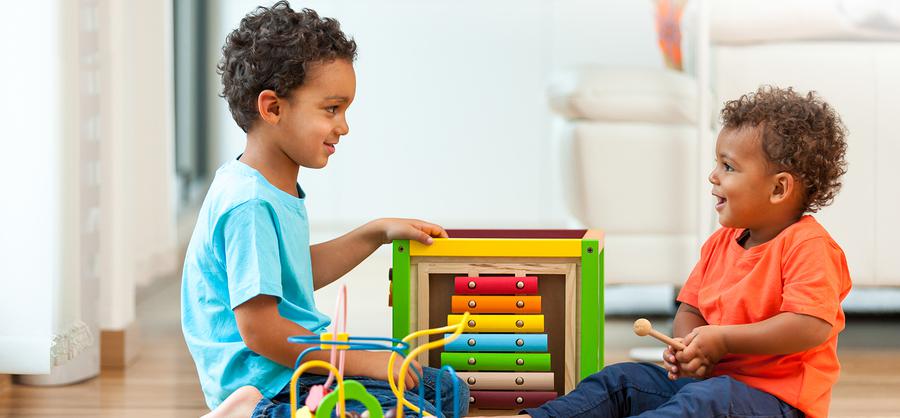

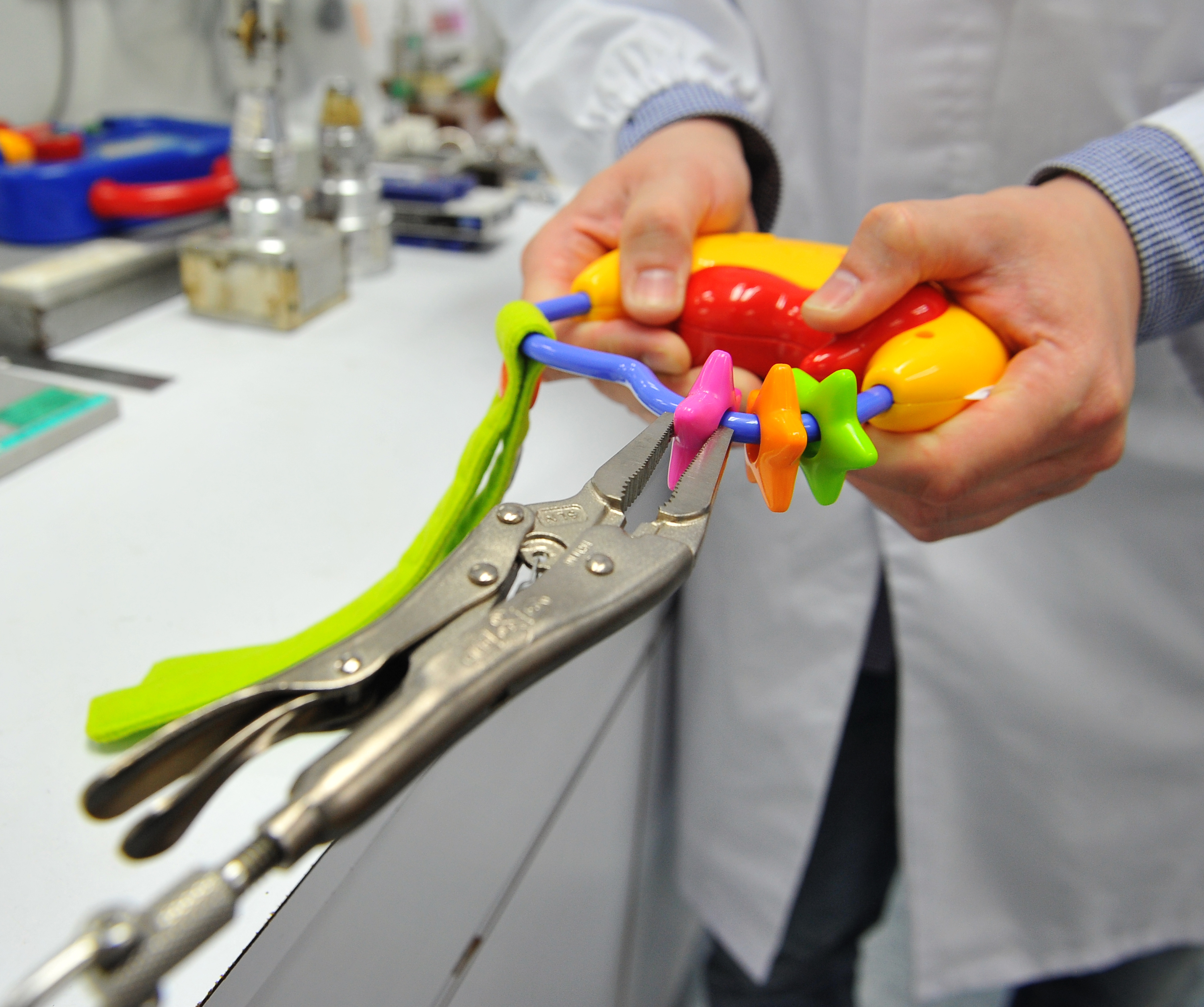
Toy safety is more important than ever as parents become increasingly aware of what children are exposed to during playtime. Toys are not just tools for fun — they influence development, health, and daily habits. Choosing safe toys helps prevent injuries, reduces exposure to harmful chemicals, and creates a healthier play environment.
Unfortunately, some toys may contain toxic materials such as lead, phthalates, or harmful dyes, which can pose risks ranging from skin irritation to long-term health concerns. Understanding what makes a toy safe empowers parents to make confident, informed decisions.
What Makes a Toy Safe
Material Considerations
Safe toys are typically made from high-quality, durable materials that do not easily break or splinter. Natural materials like solid wood, food-grade silicone, and organic fabrics are often safer choices because they contain fewer synthetic additives.
Chemical-Free Standards
Look for toys that meet recognized safety regulations such as those aligned with ASTM International or the U.S. Consumer Product Safety Improvement Act (CPSIA). Labels indicating low-VOC finishes, water-based paints, or BPA-free plastics are also positive signs.
Age-Appropriate Design
A toy should match a child’s developmental stage. Small detachable parts can be choking hazards for younger children, while overly complex toys may frustrate rather than engage. Age labeling helps ensure both safety and enjoyment.
Top Non-Toxic Toy Recommendations
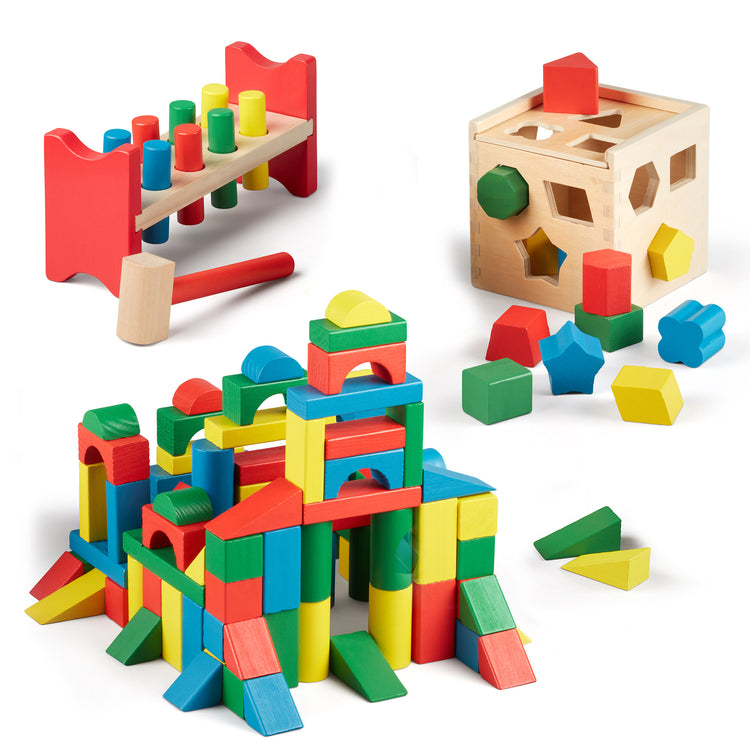


Wooden Toys
Wooden toys are durable, biodegradable, and often finished with natural oils or water-based paints. They encourage imaginative play and tend to last for years, making them both safe and sustainable.
Organic Fabric Toys
Plush toys made from certified organic cotton or natural fibers are gentle on sensitive skin and free from harsh dyes. They are especially ideal for infants who frequently put toys in their mouths.
Natural Rubber Toys
Natural rubber is flexible, resilient, and typically free from harmful plastics. It’s commonly used for teething toys because it is soft yet durable.
Brands Leading in Safe Toy Manufacturing
Eco-Friendly Brands
Many modern toy companies focus on sustainability, ethical sourcing, and transparent production processes. These brands often prioritize renewable materials and minimal packaging.
Certifications to Look For
Certifications can help verify safety claims. Examples include:
-
FSC (responsibly sourced wood)
-
GOTS (organic textiles)
-
OEKO-TEX (tested for harmful substances)
Sustainable Toy Options
Choosing long-lasting toys or those made from recycled materials reduces environmental impact while maintaining high safety standards.
Toy Safety Checklist for Parents
What to Avoid
-
Strong chemical smells
-
Sharp edges or loose parts
-
Peeling paint or weak seams
How to Inspect Toys
Regularly check for cracks, broken pieces, or wear and tear. If a toy shows damage, repair or replace it promptly.
Regular Safety Maintenance
Clean toys according to manufacturer instructions and periodically rotate toys to keep playtime engaging while monitoring their condition.
Conclusion
Safe toys play a crucial role in protecting children’s health and supporting positive development. By focusing on non-toxic materials, trusted certifications, and age-appropriate designs, parents can significantly reduce risks.
Making informed purchasing decisions not only ensures safer play but also promotes sustainability and long-term value. Ultimately, thoughtful toy selection is one of the simplest yet most impactful ways to create a secure and nurturing environment for children.